
Protect the predators that protect the ocean.
Fear Less. Understand More.
Shark Awareness Day challenges the distorted image created by decades of sensational entertainment and replaces it with science. Sharks are not mindless monsters patrolling the ocean for humans. They are diverse marine animals occupying roles that range from apex predator and active hunter to filter feeder and deep-sea specialist, each shaped by its environment over hundreds of millions of years.
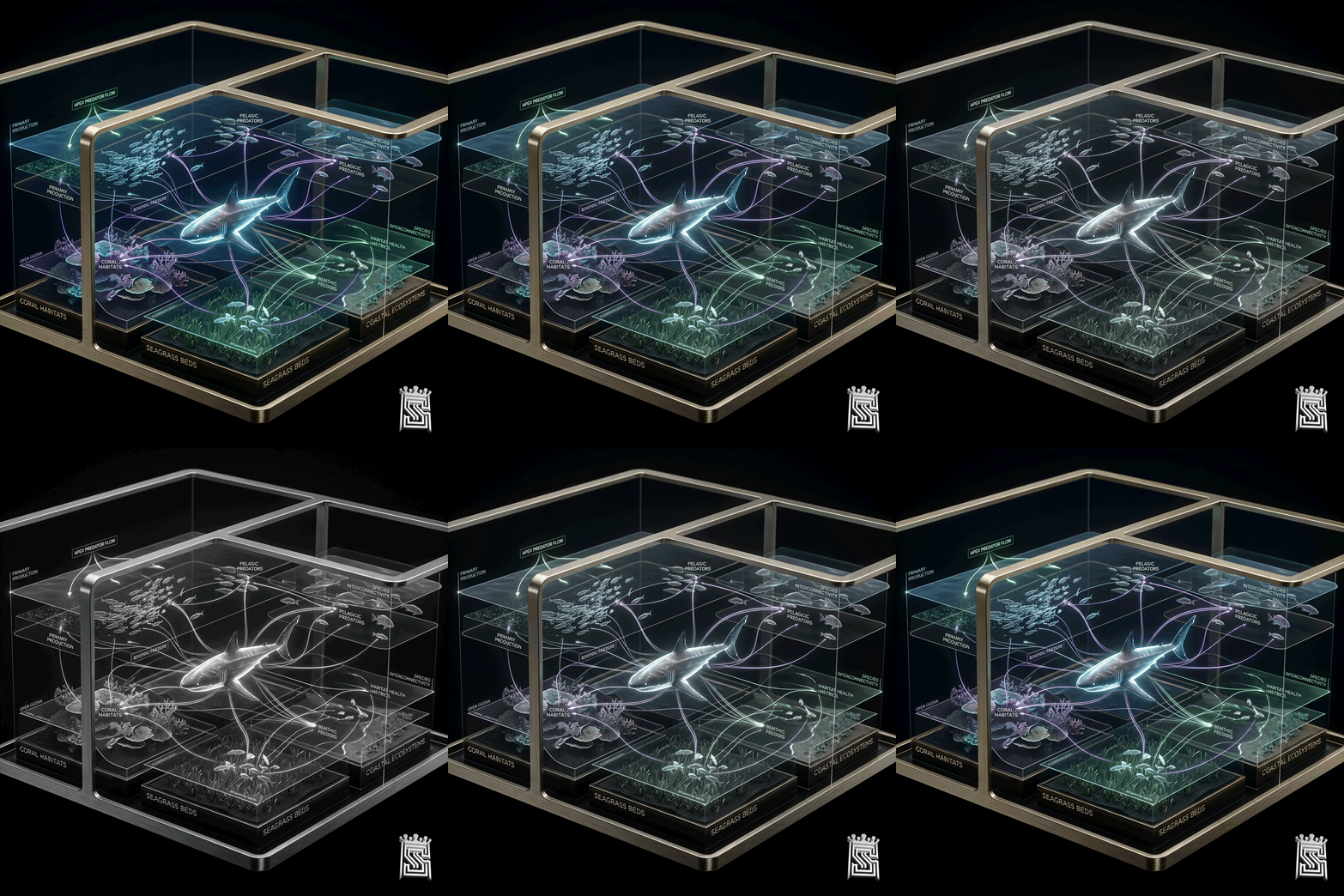
Every July 14, the observance highlights the ecological importance of sharks and the threats facing many species, including overfishing, bycatch, habitat loss, illegal trade, and demand for shark products. As top and mid-level predators, sharks influence food webs and help maintain balance throughout marine ecosystems. Many species mature slowly and produce relatively few young, making depleted populations difficult to rebuild. Shark conservation is not about protecting one dramatic animal—it is about protecting the systems surrounding it.
Vibes
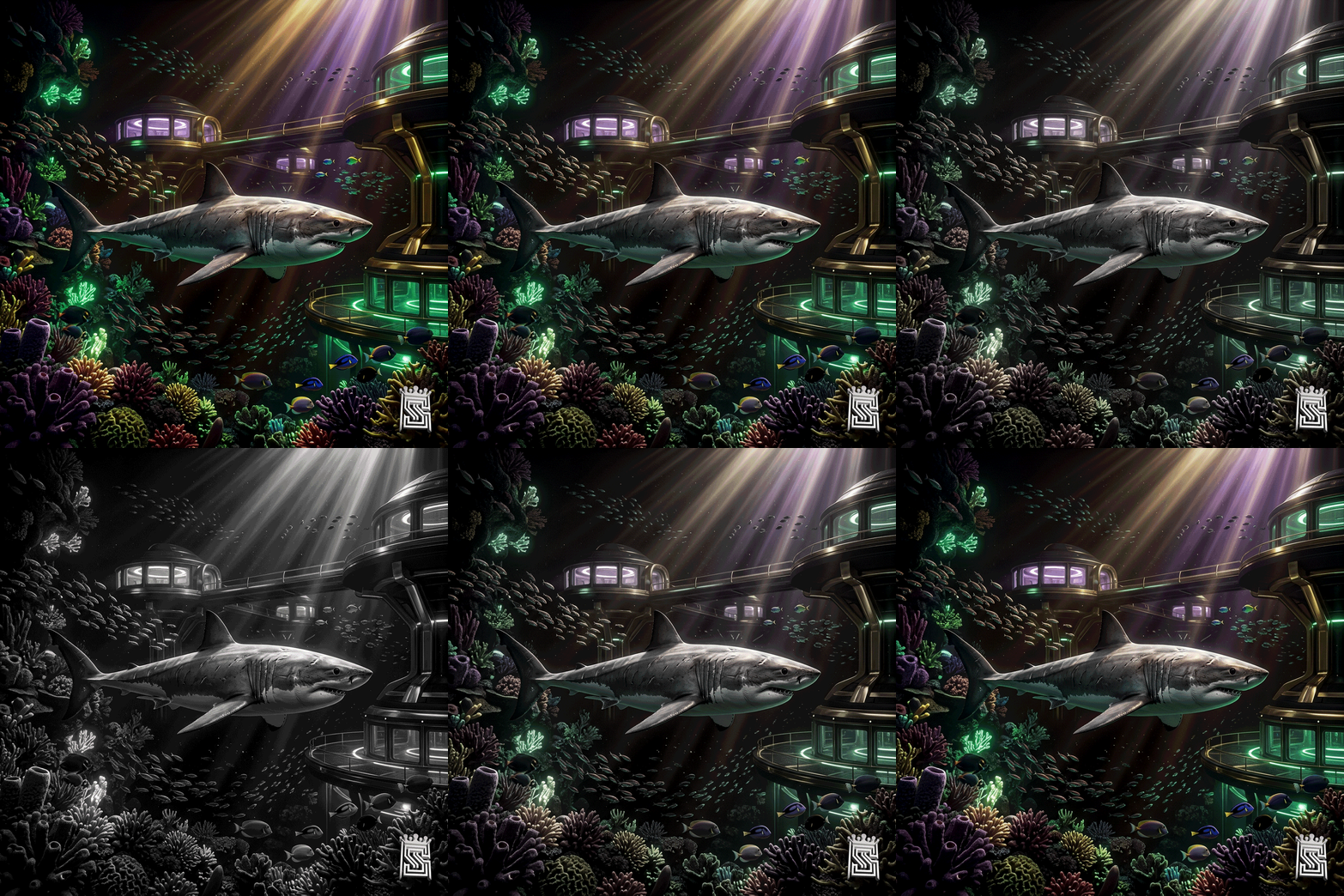
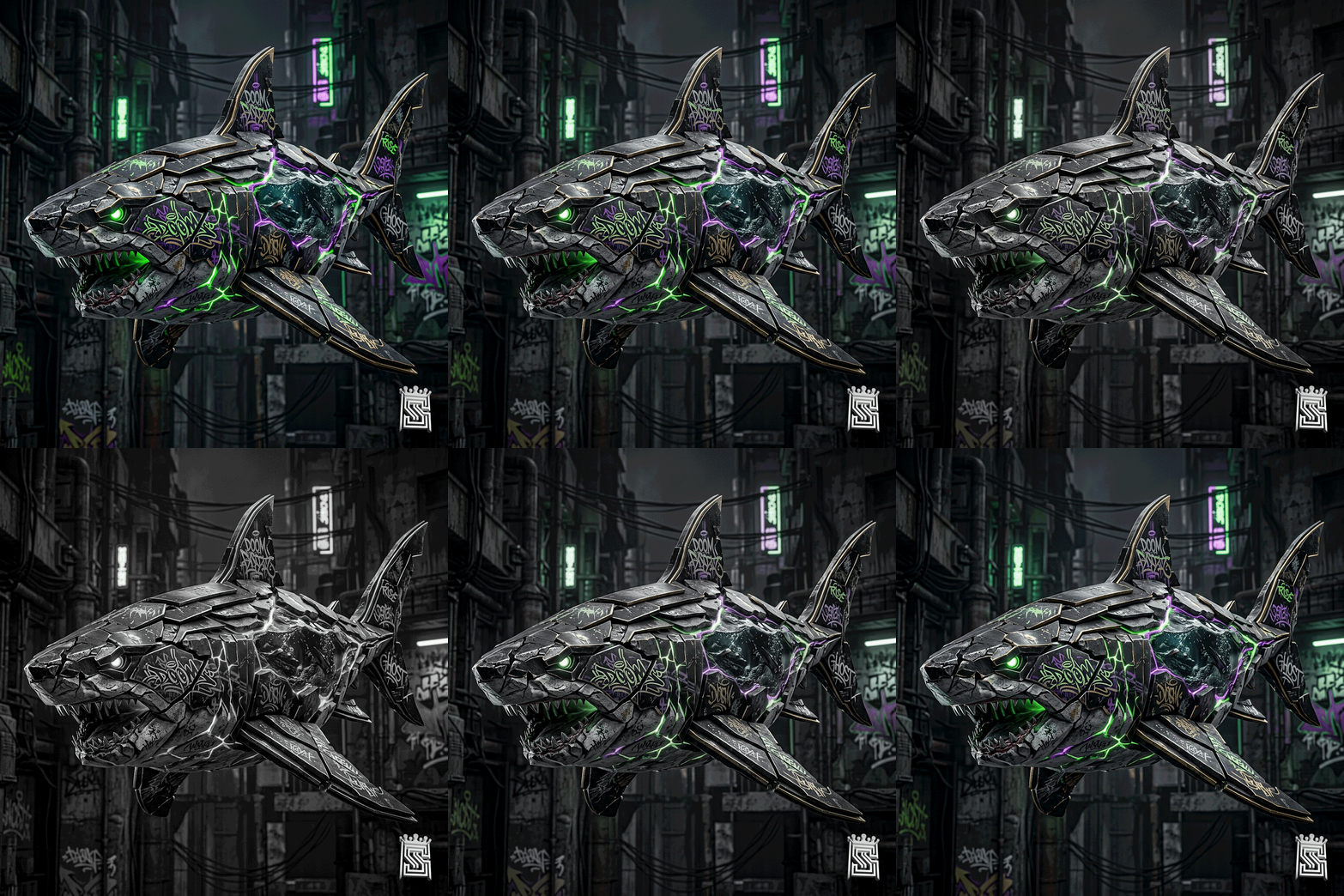
Ancient power, silent movement, cinematic ocean depth, and respect replacing manufactured fear.
How to Observe
- Learn how sharks support healthy marine food webs.
- Avoid purchasing products connected to shark finning.
- Choose seafood using reliable sustainability guidance.
- Support legitimate shark research and conservation programs.
- Never disturb, feed, chase, or touch wild sharks.
- Share science-based information instead of sensational myths.
Fear is profitable because it needs very little context. Conservation requires more effort: understanding behavior, recognizing ecological relationships, tracking fisheries, protecting habitats, and enforcing responsible management. The ocean benefits when public opinion catches up with the science.
Pulse Check
Would sharks face fewer threats if popular culture portrayed them more accurately?
The most important predators are rarely the easiest animals to market with softness and comfort. Their value comes from the work they perform inside ecosystems, not from whether people find them approachable. Respect does not require pretending they are harmless; it requires understanding what they are and acting responsibly around them.
Interesting Facts
- Sharks have cartilaginous skeletons rather than bones.
- Fossil evidence suggests sharks first appeared approximately 455 million years ago.
- Many shark species grow slowly, mature late, and produce relatively few young, making them especially vulnerable to overfishing.
Verified Links
- Shark Conservation — NOAA Fisheries @ https://www.fisheries.noaa.gov/international-affairs/shark-conservation
- Shark Management Laws — NOAA Fisheries @ https://www.fisheries.noaa.gov/national/laws-policies/shark-management-laws
- Shark Facts — NOAA Fisheries @ https://www.fisheries.noaa.gov/feature-story/12-shark-facts-may-surprise-you
Popular Hashtags
#SharkAwarenessDay #SharkConservation #SaveSharks #Sharks #OceanConservation #MarineLife #ProtectOurOceans
Famous Quotes
“People protect what they love.” — Jacques-Yves Cousteau
“No water, no life. No blue, no green.” — Sylvia Earle
“The sea, once it casts its spell, holds one in its net of wonder forever.” — Jacques-Yves Cousteau
Stop treating sharks like movie villains and start protecting them like the ocean depends on it—because it does.
-

Framed Canvas Print
Price range: $100.00 through $310.00 Select options This product has multiple variants. The options may be chosen on the product page -

Framed Canvas Print
Price range: $100.00 through $310.00 Select options This product has multiple variants. The options may be chosen on the product page -

Framed Canvas Print
Price range: $100.00 through $310.00 Select options This product has multiple variants. The options may be chosen on the product page -

Framed Canvas Print
Price range: $100.00 through $310.00 Select options This product has multiple variants. The options may be chosen on the product page
-

Organic Baby Bodysuit
$30.00 Select options This product has multiple variants. The options may be chosen on the product page -

Organic Canvas Bag
$50.00 Select options This product has multiple variants. The options may be chosen on the product page -

Premium Eco Hoodie
$100.00 Select options This product has multiple variants. The options may be chosen on the product page -

Unisex Denim Jacket
$310.00 Select options This product has multiple variants. The options may be chosen on the product page