Transparency looks good on everyone.
Beauty with More Questions Asked
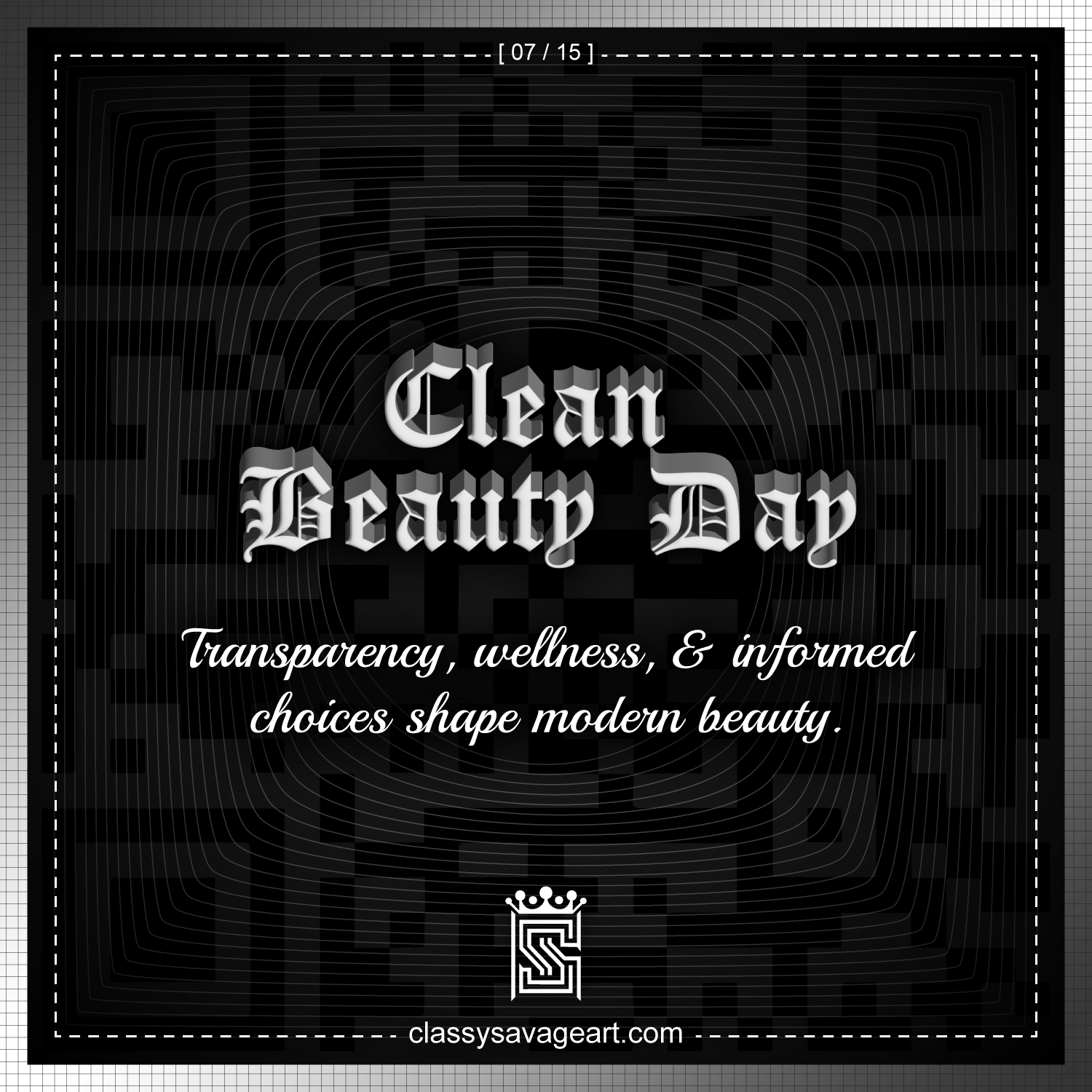
Clean Beauty Day reflects a wider shift in how consumers examine the products they use on their skin, hair, and bodies. People increasingly want to know what ingredients are included, where those ingredients come from, how products are tested, how packaging affects the environment, and whether marketing claims can actually be supported. The result is a beauty market where transparency has become part of the product itself.
“Clean beauty” does not have one universal legal definition, which makes informed decision-making especially important. Different companies use the phrase to describe different priorities, including ingredient selection, environmental impact, responsible sourcing, fragrance choices, cruelty-free policies, packaging, or manufacturing practices. Federal regulators oversee cosmetics and advertising claims, but consumers still need to read labels and distinguish measurable standards from attractive branding. Clean Beauty Day works best as a reason to ask better questions rather than assuming one marketing phrase guarantees everything.
Vibes
Polished glass, botanical textures, sharp ingredient labels, luxury packaging, and confidence built on knowing what you are buying.

How to Celebrate
- Read the ingredient lists on products you use regularly.
- Learn what cosmetic labels and claims actually mean.
- Research brands before relying on broad marketing language.
- Reduce unnecessary packaging where practical.
- Replace empty products thoughtfully instead of discarding usable ones.
- Support companies that provide clear ingredient and sourcing information.
Beauty products sit directly inside daily routines, which makes transparency more than a trend. The more frequently a product is used, the more reasonable it becomes to understand what it contains and how the company communicates about it. Better information creates better choices.
Pulse Check
Which matters most to you when choosing beauty products: ingredients, performance, sourcing, packaging, or price?
The strongest beauty brands will not win only through attractive packaging. They will earn trust by connecting design, performance, safety, transparency, and environmental responsibility in ways consumers can actually evaluate. Good branding can attract attention, but clear information keeps it.

Interesting Facts
- The U.S. Food and Drug Administration regulates cosmetics under federal law, although cosmetics generally do not require premarket approval except for certain color additives.
- The term “clean beauty” does not have one standardized federal definition.
- Environmental marketing claims may fall under federal truth-in-advertising standards when companies make claims about products or packaging.
Verified Links
- Cosmetics — U.S. Food and Drug Administration @ https://www.fda.gov/cosmetics
- Modernization of Cosmetics Regulation Act of 2022 — U.S. Food and Drug Administration @ https://www.fda.gov/cosmetics/cosmetics-laws-regulations/modernization-cosmetics-regulation-act-2022-mocra
- Environmental Marketing Claims — Federal Trade Commission @ https://www.ftc.gov/news-events/topics/truth-advertising/green-guides

Popular Hashtags
#CleanBeautyDay #CleanBeauty #Beauty #Skincare #BeautyRoutine #IngredientTransparency #SustainableBeauty
Famous Quotes
“Beauty begins the moment you decide to be yourself.” — Coco Chanel
“The best part of beauty is that which no picture can express.” — Francis Bacon
“Nature does not hurry, yet everything is accomplished.” — Lao Tzu
Read past the label, question the claims, and make beauty earn your trust.